Travellers often judge a hotel by its location, rooms, amenities, and service. Yet one part of the stay can shape the experience before guests even realise it: sound.
A lobby may look beautiful, but if every conversation echoes, it can feel stressful. A meeting room may be stylish, but if guests struggle to hear clearly, it fails its purpose. A restaurant may have the right lighting and menu, but too much noise can make dinner feel tiring.
Sound affects how guests sleep, work, meet, eat, and relax. For hotels serving both business and leisure travellers, acoustic design is no longer a minor detail. It is part of the overall guest experience.
In this article
Why Sound Matters in Modern Hotels
Hotels are more flexible than ever. Lobbies are not just check-in areas. They also serve as lounges, workspaces, meeting spots, and social hubs. Guests may take video calls from shared seating areas, meet clients over coffee, or relax while waiting for a room.
That mix of uses creates sound challenges. Hard floors, glass walls, high ceilings, and open layouts can cause noise to travel. When sound builds, spaces can feel busier, less private, and less comfortable.
Designers are responding with smarter solutions, including acoustic furniture, which can help reduce noise in public and semi-private areas without taking away from a hotel’s style. Sofas, booths, lounge chairs, partitions, and meeting pods can all help absorb sound while still looking polished.
The goal is not total silence. A hotel should still feel lively and welcoming. The goal is balance, where guests can talk, work, and relax without feeling overwhelmed.
Where Acoustic Design has the Biggest Impact
The lobby is often the first place guests notice sound, even if they do not think about it directly. A loud lobby can make check-in feel rushed or chaotic. A better-balanced lobby feels calm, organised, and easier to enjoy.
Meeting rooms are another key area. Business travellers expect spaces that support focus. Poor acoustics can make presentations harder to follow and virtual meetings less clear. For hotels that host conferences or corporate events, sound quality can affect how professional the entire event feels.
Restaurants and bars also depend on acoustic balance. These spaces should have energy, but guests should not have to raise their voices just to have a conversation. When noise is controlled, dining feels more comfortable and social.
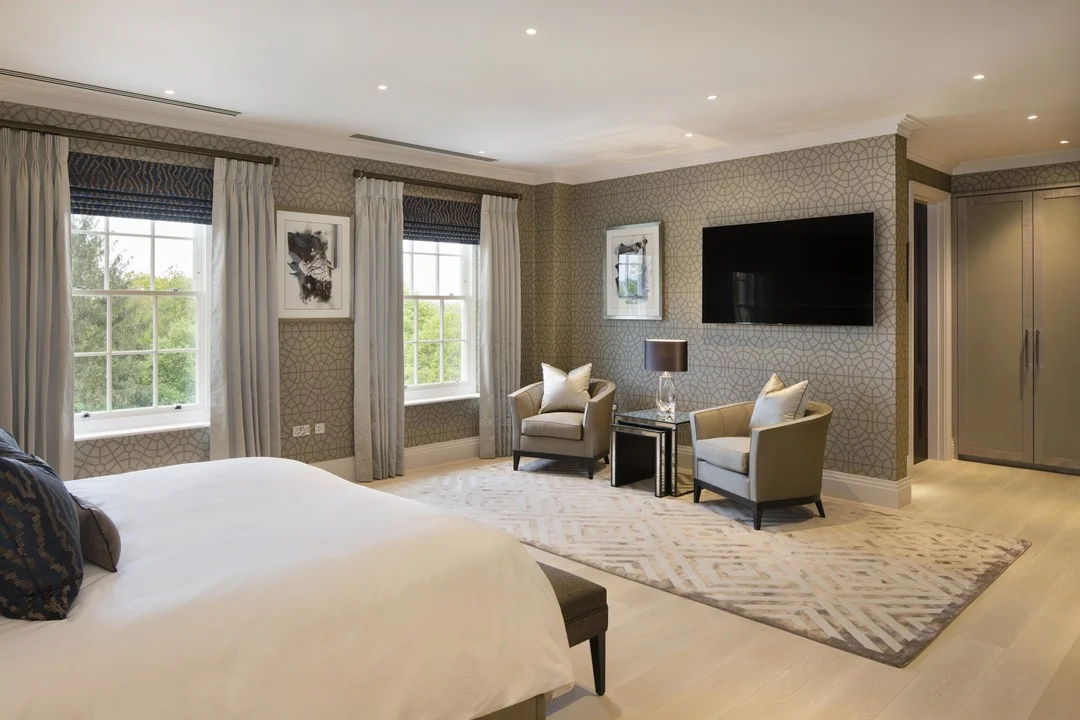
Guest rooms may matter most. Sleep is one of the main reasons people book a hotel, so hallway noise, traffic, elevators, and nearby conversations can hurt the stay. Good acoustic planning supports the quiet, restful feeling guests expect when they close the door.
Sound can also affect how guests remember a property after they leave. A peaceful lobby, clear meeting space, or calm guest room may not stand out as a single feature, but it shapes the overall feeling of the stay. That feeling can influence reviews, repeat bookings, and whether travellers recommend the hotel to others. In a competitive market, small comfort details can make a property feel more thoughtful and welcoming to guests.
Better Sound Can Still Look Beautiful
Acoustic design works best when it blends into the space. Hotels do not need to look plain or overly technical to manage sound well. Upholstered seating, soft wall features, ceiling treatments, rugs, curtains, screens, and textured materials can all support a quieter environment while adding warmth and style.
Planning early makes the biggest difference. When acoustics are considered during the design process, teams can select layouts, finishes, and furniture that complement each other. A lobby can be divided into active and quiet zones. A lounge can support both casual conversation and focused work. A meeting room can be designed for clearer speech from the start.
Every hotel has different needs. A business hotel, resort, airport hotel, and boutique property all face different sound challenges. The best approach depends on how guests use the space and where noise is most likely to affect comfort.
The Stay Guests Remember Feel Effortless
Guests may not leave reviews praising acoustic design by name. They are more likely to say the hotel felt peaceful, the meeting went smoothly, the restaurant was comfortable, or the lobby was easy to spend time in.
That is the value of sound done well. It improves the stay without calling attention to itself.
Hotels compete on comfort, service, and experience. Sound touches all three. When spaces feel calm, clear, and easy to use, guests are more likely to relax, focus, and return.
The design detail travellers overlook may not be the lighting, furniture, or décor. It may be what they hear and what they do not.