Healthcare is experiencing transformative shifts as Nurse Practitioners (NPs) step into roles that address critical deficiencies while also introducing new care models. From integrating technology to assuming greater clinical responsibilities, NPs are becoming essential figures in modern healthcare delivery. For many professionals interested in advancing their own careers within this field, options such as the MSN FNP online program offer flexible pathways to gaining the expertise and qualifications needed to drive change in their communities.
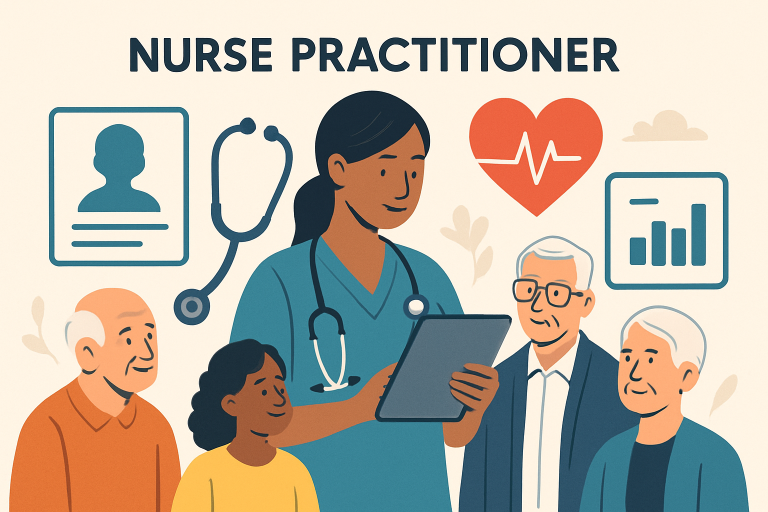
What sets NPs apart is their unique blend of clinical mastery and patient-centred care. As primary care providers, they not only respond to pressing health needs but also build relationships that foster improved health outcomes. Their expanding presence in various practice settings signals a critical evolution in how care is accessed and coordinated across patient populations.
With the emergence of new technologies and ever-increasing care demands, the ability of NPs to fill leadership and clinical gaps is more valuable than ever. Communities, especially those in rural or underserved areas, benefit significantly from NPs’ expertise and autonomy.
As a result, NPs are not just supporting healthcare delivery but are actively designing its future. Their influence is seen in everything from daily patient interactions to major policy and organisational improvements that are reshaping expectations for what quality healthcare should look like.
In this article
Expanding Scope of Practice
The healthcare system is often marked by provider shortages, particularly in primary care. As a solution, many states are granting Nurse Practitioners full practice authority, enabling them to diagnose and manage patients and prescribe medications without physician oversight. This expanded authority is especially impactful in rural and medically underserved communities, where NPs often serve as the primary healthcare providers. Their ability to provide holistic primary and speciality care increases access to essential health services and reduces wait times.
Embracing Telehealth
Telehealth has surged in popularity, drastically changing how healthcare is delivered. Nurse Practitioners have become innovators in this space, using secure digital platforms for consultations, chronic disease management, and patient education. The flexibility of telehealth means patients who are homebound, reside far from clinics, or simply need more convenient care now have expanded options. NPs are leading virtual care initiatives by ensuring safe, effective, and patient-focused solutions that meet a wide range of healthcare needs. According to Forbes, telehealth adoption has not only grown rapidly but also improved the continuity of care for millions of patients.
Integrating Artificial Intelligence
Artificial Intelligence is becoming central to modern healthcare, and NPs are leveraging these technological advances to deliver enhanced care. AI-powered tools interpret complex data, flag potential health risks, and assist in diagnosing diseases that may be overlooked in traditional models. By using predictive analytics and personalized care algorithms, NPs can anticipate challenges and tailor interventions uniquely for each patient. These innovations enable NPs to intervene sooner, reducing complications and improving long-term outcomes.
Addressing the Nursing Shortage
With healthcare systems worldwide facing significant staff shortages, the contribution of NPs has never been more essential. Their advanced education and training equip them to deliver quality care in settings that are often stretched thin. As organizations look to optimize operations and keep pace with patient demand, NPs are filling critical roles that would otherwise remain vacant. Their presence in community clinics, hospitals, and long-term care centers ensures more patients receive timely healthcare, which is essential for preventing adverse health events and keeping communities healthy.
Leading in Value-Based Care
Value-based care is shifting the focus in healthcare from the volume of services provided to the quality of patient outcomes. Nurse practitioners are natural leaders in this regard, prioritizing preventive medicine, health education, and chronic disease management. Their holistic approach supports both physical and emotional wellness, which is at the core of successful value-based models. By focusing on long-term health improvements and reducing unnecessary interventions, NPs help lower healthcare costs and boost overall patient satisfaction rates.
Assuming Leadership Roles
The expertise of NPs extends beyond direct patient care. Increasingly, they are moving into influential positions in health administration, team management, policy-making, and education. NPs manage interprofessional teams, chair hospital committees, and advocate for legislative reforms that improve healthcare access and quality. Their leadership not only advances their own profession but also contributes to the broader goal of building more effective and equitable healthcare systems.
Conclusion
The future of healthcare is being shaped by dedicated and innovative nurse practitioners. Through expanded clinical authority, technological adoption, and leadership, NPs are bridging gaps that have long challenged healthcare delivery. As the profession continues to grow, the positive impact of NPs will be felt across every corner of the healthcare system, ensuring care becomes more accessible, equitable, and patient-centered.