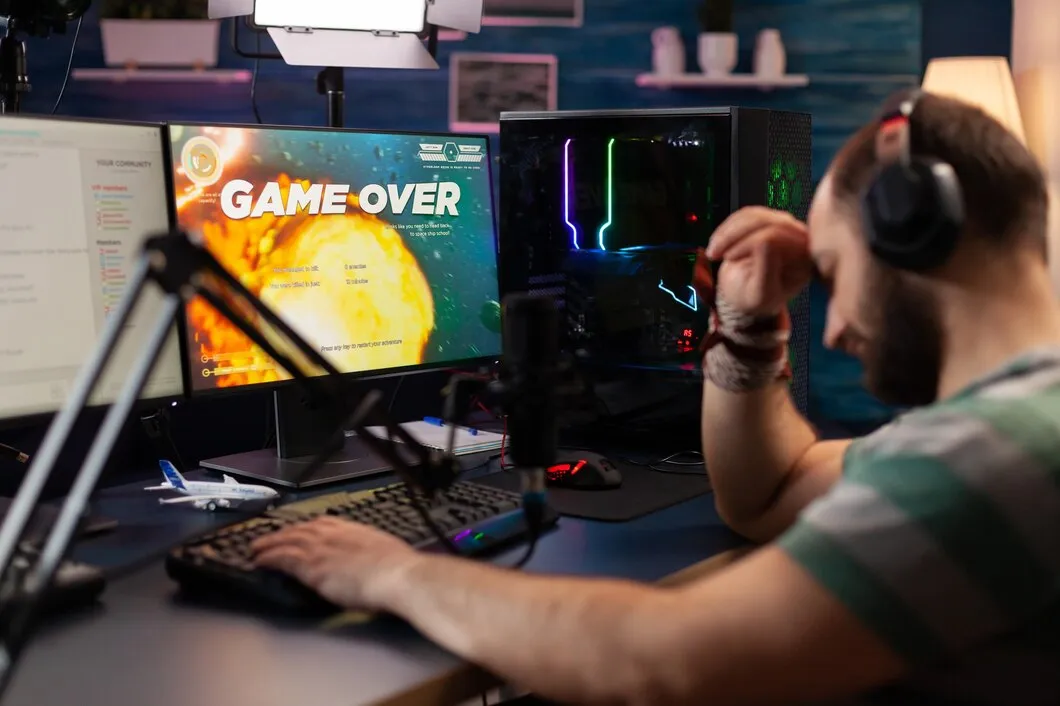
You don’t sit down to play a game expecting a lesson in composure. Yet when the score tightens, and your screen fills with noise, you feel the same pressure that shows up across everyday life. A difficult conversation with a partner or an unexpected bill landing in your inbox – each situation raises your pulse and tempts you to react on instinct. Gaming lays your response bare. It shows you your response, and if you pay attention, it teaches you how to steady yourself instead of letting the moment run away with you.
In this article
Learning to Pause Before Reacting
In many games, you can often lose because you rush. An opponent surprises you, and you charge back in without thinking. Games teach you to pause. After a setback, you let the replay run and ask what went wrong. That brief analysis shifts you from frustration to control. At work, the same approach helps. When someone challenges your idea, resist the urge to snap back. Take a breath, clarify their point, then respond.
Staying Focused When Things Go Wrong
If your team falls behind, you start thinking about losing rather than the next move. Strong players narrow their focus to the immediate objective. You can mirror this in daily life. When you get some bad news from a friend, stop replaying the whole problem in your head. Instead, identify the next concrete action and complete it properly. By concentrating on what you can influence now, you prevent stress from multiplying.
The Bingo Effect
Fast-paced games like Bingo show you how to stay composed when information comes at you quickly. Numbers appear in rapid succession, and you track them without letting your attention scatter. You learn to hold a steady level of concentration while the tempo stays high. That discipline transfers directly to daily situations. During a day filled with back-to-back meetings, different conversations compete for your attention in the same way. Rather than reacting to every distraction, filter what matters. When you complete a task cleanly under pressure, you get that recognition that you handled intensity without losing control.
Knowing When to Step Away
Performance drops when tension builds; for example, you may miss obvious cues and force decisions. Experienced players know when to step away before frustration dictates their actions. Do the same in other scenario areas. A short break from a disagreement with a friend, for example, can restore clarity and protect the quality of your next move.
Composure Is Built, Not Born
It’s easy to assume that calm people simply have a steady temperament. Gaming proves otherwise. Each tense match gives you a controlled space to practise responding rather than reacting. Life rarely announces its high-pressure moments in advance. They arrive in conversations and unexpected demands. When you draw on the discipline you’ve practised in games, you respond with intention instead of impulse. Over time, composure stops feeling forced and starts feeling natural.