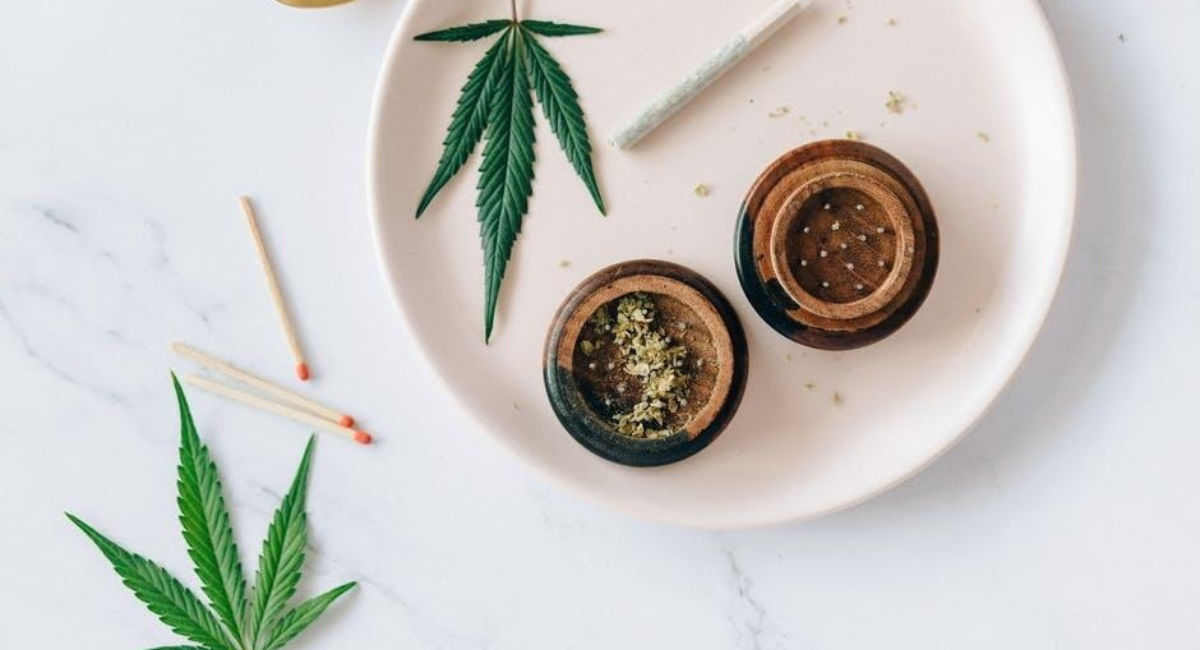
Cannabis products are becoming more popular in many markets. Consumers want safe, consistent, and high-quality options. Knowing how these products are made helps buyers make better choices. Manufacturing starts with the plant and continues through packaging. Each step affects potency, safety, and overall quality. Understanding the process builds trust in the final product. Read on to see how cannabis products are created from start to finish.
In this article
Cultivation and Harvesting Foundations
Production begins with controlled cultivation practices designed for healthy plants. Throughout growth cycles, growers monitor:
- light
- nutrients
- humidity
- timing
Harvest timing influences cannabinoid levels and terpene development significantly. Plants are trimmed and prepared to preserve valuable chemical compounds. Improper handling during harvest can reduce quality and processing efficiency. Clean environments help prevent contamination before further manufacturing steps. Documentation begins early to support traceability and regulatory compliance. This foundational stage sets expectations for all downstream processes. Strong cultivation standards support consistent outcomes later in production.
Drying and Curing Processes
Freshly harvested plants undergo drying to stabilize moisture levels. Controlled airflow and temperature protect cannabinoids during moisture removal. Curing allows chemical profiles to mature under monitored conditions. This step improves:
- aroma
- flavor
- overall product stability
Rushed drying can cause harshness and uneven cannabinoid distribution. Extended curing supports smoother processing during later extraction stages. Environmental data is tracked to ensure repeatable batch results. Proper drying reduces microbial risks before further handling. These processes prepare plant material for efficient manufacturing.
Extraction and Concentration Methods
Extraction separates cannabinoids and terpenes from plant material. Methods vary based on:
- desired purity
- scale
- regulatory requirements
Many facilities follow Cannabinoid Extraction and Manufacturing guidelines for consistency. Temperature and pressure controls protect sensitive compounds during processing. Extracts may be refined to remove unwanted waxes or residues. Concentration levels are adjusted to meet formulation specifications. Testing verifies potency and ensures compliance after extraction. Clean equipment minimizes cross contamination between production batches. Extraction quality directly impacts final product performance.
Formulation and Product Development
Extracts are blended into formulations for specific use types. Formulators carefully balance:
- potency
- stability
- sensory characteristics
Ingredients must meet safety standards and approved usage limits. Homogeneity ensures each unit delivers consistent cannabinoid levels. Mixing processes are validated to avoid separation issues. Formulations are reviewed against regulations before scaling production. Stability testing predicts shelf performance under various conditions. Adjustments are documented to maintain batch to batch consistency. Careful formulation protects both consumers and manufacturers.
Quality Testing and Compliance Checks
Testing confirms safety, potency, and contaminant limits are met. Independent laboratories often perform verification using standardized methods. The following protect consumers:
- microbial
- heavy metal
- solvent screenings
Accurate labeling depends on reliable test results. Failed batches require corrective actions or disposal. Compliance records support audits and ongoing operational approvals. Testing frequency is defined by regulations and risk assessments. Consistent testing builds trust across supply chains. Quality assurance remains central throughout manufacturing operations.
Packaging and Distribution Readiness
Final cannabis products are packaged to protect freshness and integrity. Materials are selected to prevent light and moisture damage. Labels clearly provide:
- dosage
- ingredients
- compliance information
Tamper evident features improve safety during transport. Packaged goods undergo final inspections before distribution. Inventory systems track batches from facility to retailer.
Learn How Cannabis Products Are Manufactured
Making cannabis products requires careful steps at every stage. Each step affects quality, safety, and consistency. Following proper processes ensures reliable products reach consumers. Understanding production helps buyers know what to expect. Awareness of manufacturing encourages smarter choices when selecting cannabis products. Should you wish to read more, visit our blog. We’ve got more topics!