Living in a cluttered home can feel overwhelming, especially when you know you have the square footage but somehow still can’t find room for your belongings. Many homeowners in Green Bay, WI, struggle with the same issue: it’s not necessarily a lack of space that’s the problem, but rather how that space is being utilized.
Poor organizational habits can eat away at valuable storage areas, leaving you frustrated and surrounded by chaos. The good news is that most of these mistakes are surprisingly easy to fix once you recognize them. By addressing common organizational pitfalls, you can reclaim lost space and create a more functional, peaceful living environment.
In this article
Using Storage Units to Maximize Your Living Space
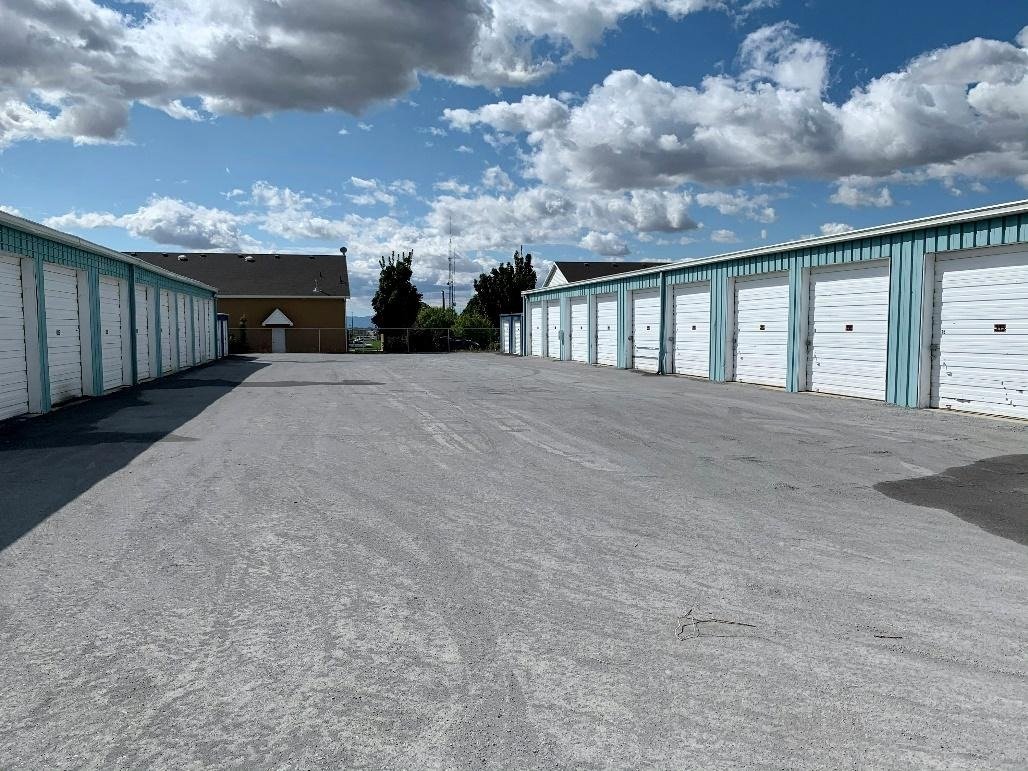
One of the biggest mistakes people make is cramming everything they own into their homes, even items they rarely use. Seasonal decorations, sports equipment, extra furniture, and sentimental belongings can quickly overwhelm your living space. This is where storage units become invaluable. They offer a practical solution for keeping items you want to hold onto without sacrificing your daily comfort. Renting a storage unit is typically straightforward, with flexible terms that accommodate both short-term and long-term needs.
If you’re looking for storage units Green Bay WI, you’ll find plenty of options that make it easy to find a facility close to home. These units provide secure environments that protect your belongings while freeing up precious room in your home. By moving seldom-used items off-site, you immediately create breathing room in closets, garages, and basements that were previously packed to capacity.
Failing to Utilize Vertical Space
Most people focus exclusively on floor space and completely ignore the walls. This is a critical oversight because vertical storage can dramatically increase your capacity without taking up any additional square footage. Empty wall space represents untapped potential in nearly every room of your home. Installing shelving units, hanging organizers, and wall-mounted racks can transform bare walls into highly functional storage areas.
Kitchens benefit enormously from vertical storage with magnetic knife strips, hanging pot racks, and mounted spice shelves. Bedrooms can accommodate floating shelves for books and decorative items, while bathrooms can utilize over-the-toilet storage units and wall-mounted cabinets. Garages are particularly well-suited for vertical organization with pegboards, wall hooks, and overhead storage platforms.
Keeping Items Without Designated Homes
Another common mistake is allowing objects to exist in your home without specific storage locations. When items don’t have assigned places, they tend to migrate around the house, creating piles on counters, tables, and floors. This not only wastes space but also makes cleaning and maintaining order nearly impossible. Every single item you own should have a designated spot to live in when not in use.
Mail should be in a specific tray or basket, keys should hang on hooks near the door, and remote controls should be returned to a particular drawer or caddy. The same principle applies to larger items like sporting goods, tools, and hobby supplies. Creating dedicated homes for your belongings establishes clear systems that everyone in the household can follow.
Underestimating the Power of Drawer Dividers and Organizers
Drawers often become chaotic jumbles, with small items disappearing into the depths, rendering much of the space unusable. Without proper dividers and organizers, you’re likely to use only a fraction of your drawer’s capacity effectively. Implementing organizational tools within drawers creates distinct compartments that keep similar items grouped together and easily accessible. Kitchen drawers benefit from utensil dividers, while bathroom drawers work better with cosmetic organizers and segmented trays.
Bedroom dressers can be transformed with fabric dividers that separate socks, undergarments, and accessories. Office drawers stay functional with compartmentalized inserts for pens, paper clips, and other supplies. These simple additions prevent the frustrating dig-and-search routine that wastes time and causes items to get damaged or lost. Organized drawers also allow you to see exactly what you have, preventing duplicate purchases and maximizing every cubic inch.
Holding Onto Items You Never Use
Perhaps the most space-consuming mistake of all is keeping things you no longer need, want, or use. Many people hold on to clothing that doesn’t fit, kitchen gadgets they never use, books they’ll never reread, and gifts they feel obligated to keep. This emotional attachment to unused items directly translates to lost storage capacity. An honest assessment of what truly adds value to your life can free up remarkable amounts of space.
Consider implementing a rotation system in which items that haven’t been used for six months to a year are candidates for donation or disposal. Sentimental items deserve thoughtful consideration, but not everything from the past needs to occupy space in your present. Be particularly ruthless with duplicates, broken items waiting for repairs that never happen, and projects you realistically won’t complete.
Ignoring Underbed and Behind-Door Spaces
Many homeowners completely overlook the storage potential hiding beneath their beds and behind their doors. These areas often sit empty while closets and cabinets overflow elsewhere in the home. Underbed storage containers are perfect for out-of-season clothing, extra bedding, shoes, and gift wrap supplies. Rolling bins make accessing these items simple despite the low clearance. Meanwhile, the backs of doors throughout your home offer valuable real estate for organization. Over-the-door organizers work wonderfully in bathrooms for toiletries, in bedrooms for accessories, in pantries for spices, and in closets for shoes. These solutions take advantage of otherwise wasted space without requiring any permanent installation or major investment.
Reclaiming lost space in your home doesn’t necessarily require buying a bigger house or undertaking expensive renovations. Most space problems stem from organizational mistakes that can be corrected with thoughtful systems and honest assessments of what you truly need to keep accessible. By utilizing vertical areas, creating designated homes for belongings, implementing drawer organization, considering off-site storage for rarely used items, and taking advantage of overlooked spaces, you can dramatically increase your functional storage capacity. The key is recognizing that effective organization is an ongoing practice rather than a one-time project, requiring regular maintenance and occasional reassessment as your needs change over time.