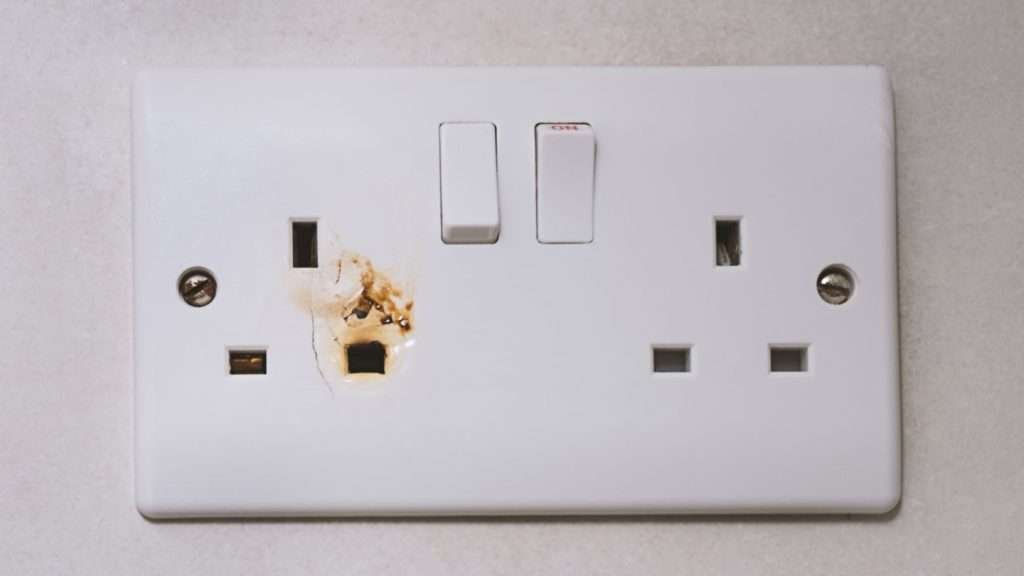
Switches are essential components in a variety of applications. But, since they’re subject to mechanical wear, they also tend to be common points of failure. This can lead to costly downtime, depending on where the switch is being used, and so it’s worth looking at exactly why these failures occur and how they might be prevented.
In this article
Wear, Corrosion, and Contact Degradation
Switches rely on contacts. When the contacts corrode over time, resistance gradually builds up – until the switch ultimately becomes inoperable. The more current is flowing through the circuit, the greater the likelihood that the contacts will fail prematurely. Thus, it’s critical that we use a switch that’s robust enough for the application we have in mind. A complex device like a rotary switch might fail more frequently than a relatively simple one.
Electrical Faults and Arc-Related Damage
In some cases, the failure can result not from the switch itself, but from the way that it’s being used. Arc faults will tend to bypass the switch and increase the risk of a fire. A short circuit can be guarded against with the help of an arc fault circuit interrupter. Ensuring that all wires are adequately insulated and sufficiently far away from one another may also reduce the risk.
Poor Installation and Maintenance Practices
A circuit can be flawlessly designed, but if it’s improperly installed, this won’t matter. Ensure, therefore, that you’re working to the standards set out in the NEMA guidance. You’ll want to set out your expectations of anyone carrying out maintenance and testing, and set out the schedule according to which you want this work done.
Equipment will often degrade over time, especially if it’s being used in a challenging industrial setting. Catastrophic failures tend to occur only when the equipment is not being properly cared for.
Environmental and Operational Stress Factors
We should consider the environmental stress at work. Is the switch being used in an excessively hot place? If so, we might expect resistance to build up rapidly, especially in smaller contacts. Is dust finding its way into the mechanism? This will tend to exacerbate heat problems.
Excess stress can also result from excess current, as we’ve noted. In a humid environment, arcing becomes more likely. What really matters is that these environmental challenges are anticipated and accounted for when the design is first being put together, and that more